
Bodegas Gutiérrez Colosía

The original cellar, built in 1838, remains largely unchanged today. After passing through several owners, José Gutiérrez Dosal - the great-grandfather of the current generation of the Gutiérrez Colosía family - purchased the cellar. It remains family owned, with Juan Carlos & Carmen now in charge.
In 1969, the family expanded the estate by purchasing the ruins of the Palace of the Count of Cumbrehermosa, once home to a cargador de Indias (a merchant involved in Spain's trade with the Americas). The property already included a wine cellar, and two additional ageing warehouses were constructed on the site. In 1982, the famed Oloroso bodega Sangre y Trabajadero was also acquired.
Until 1998, they operated as an almacenista - literally, “warehouser”, a term for a bodega that produces wine for other, larger bodegas – in this case Williams & Humbert, Osborne, Lustau & Gonzalez Byass, among others. In 1998, Juan Carlos Gutiérrez decided to start bottling wines under their own name. Nowadays it’s one of the last family owned bodegas in the region, and crucially, the only Sherry bodega located directly on the Guadalete River; where the river's natural humidity provides the perfect environment for the biological ageing of Fino wines beneath the protective veil of flor.
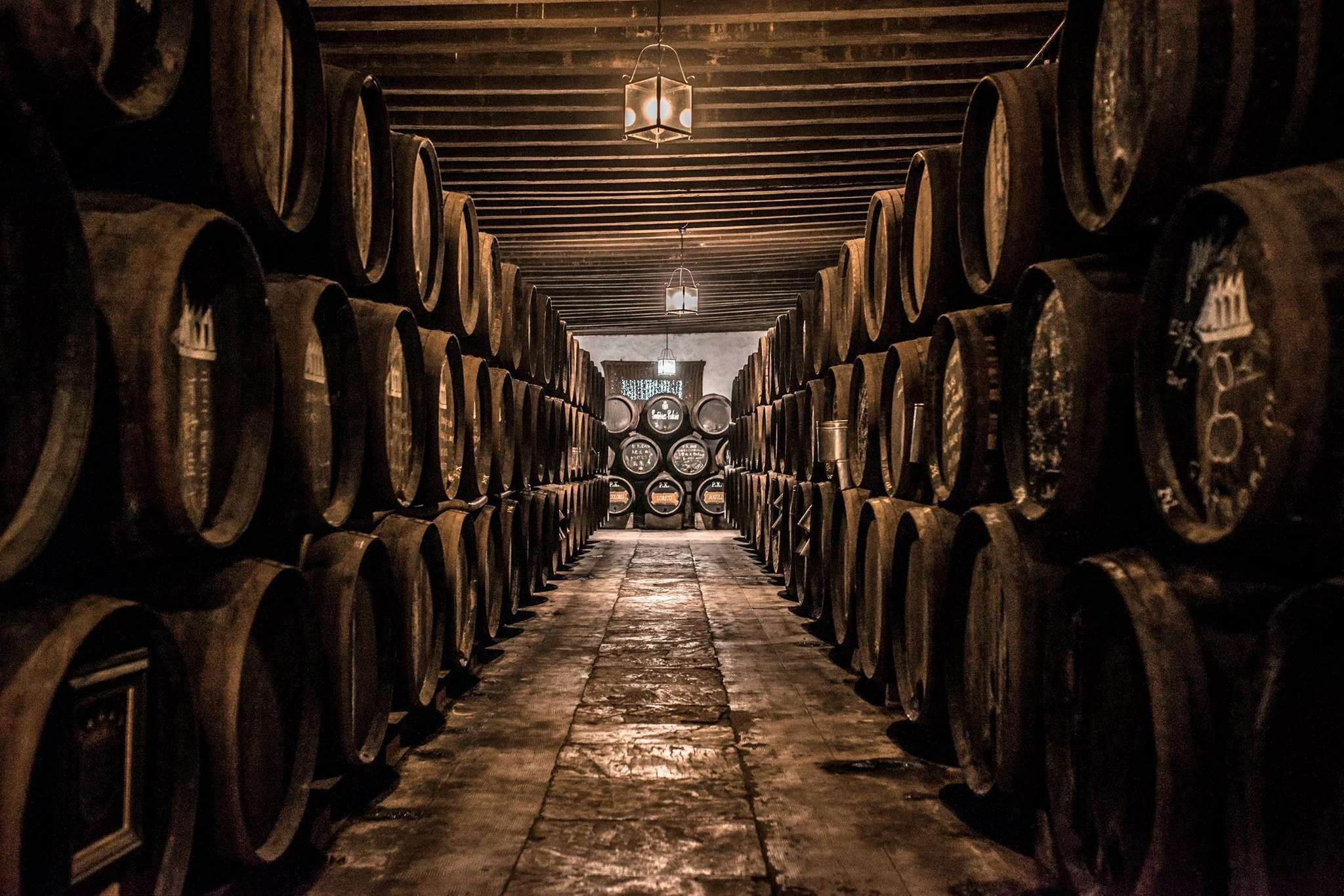
Founded in 1838, Bodegas Gutiérrez Colosía sits on the banks of the Guadalete Riveron the banks of the Guadalete River at its mouth in the Bay of Cádiz, in El Puerto de Santa María in Spain’s Andalucía. Here, the dry Levante winds and humid Atlantic Poniente breezes create the ideal conditions for maturing Sherry, naturally regulating the humidity within the cellars. Built in the traditional nave de catedral ("cathedral warehouse") style, the winery's soaring ceilings and graceful arches are designed to harness this unique microclimate. In Sherry country, the cellars are every bit as important as the vineyards, playing a vital role in shaping the wines' complexity, finesse and character.
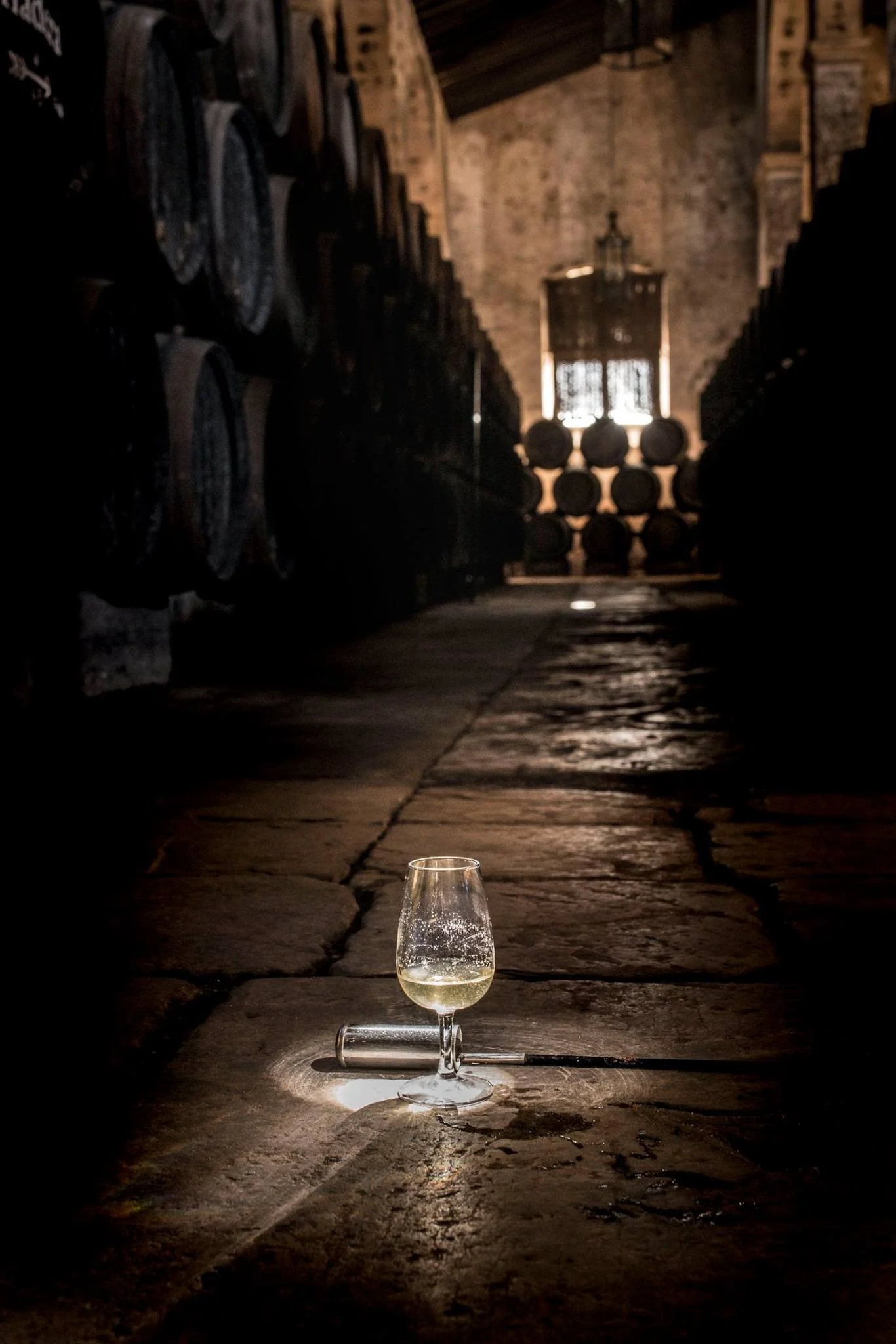
The consistency and quality of Gutiérrez Colosía wines are ensured through meticulous ageing using the traditional criaderas and solera system, following the finest winemaking traditions of the Jerez region.
The criaderas and solera system is a dynamic ageing process designed to produce wines of remarkable consistency and house style year after year. Much like the reserve wine system used in Champagne, wines of different ages are gradually blended through a series of casks.
The upper rows, or criaderas, hold younger wines, while the bottom row, the solera, contains the oldest wines ready for bottling. When wine is drawn from the solera (a “saca”- a “take), each cask is replenished from the row above, with the process repeated throughout the system.
Wine is transferred slowly using traditional canoas and a rociador, allowing it to enter each cask as a gentle spray that protects the delicate flor yeast. Though labour-intensive, this meticulous process is fundamental to the quality, complexity and consistency of Sherry.
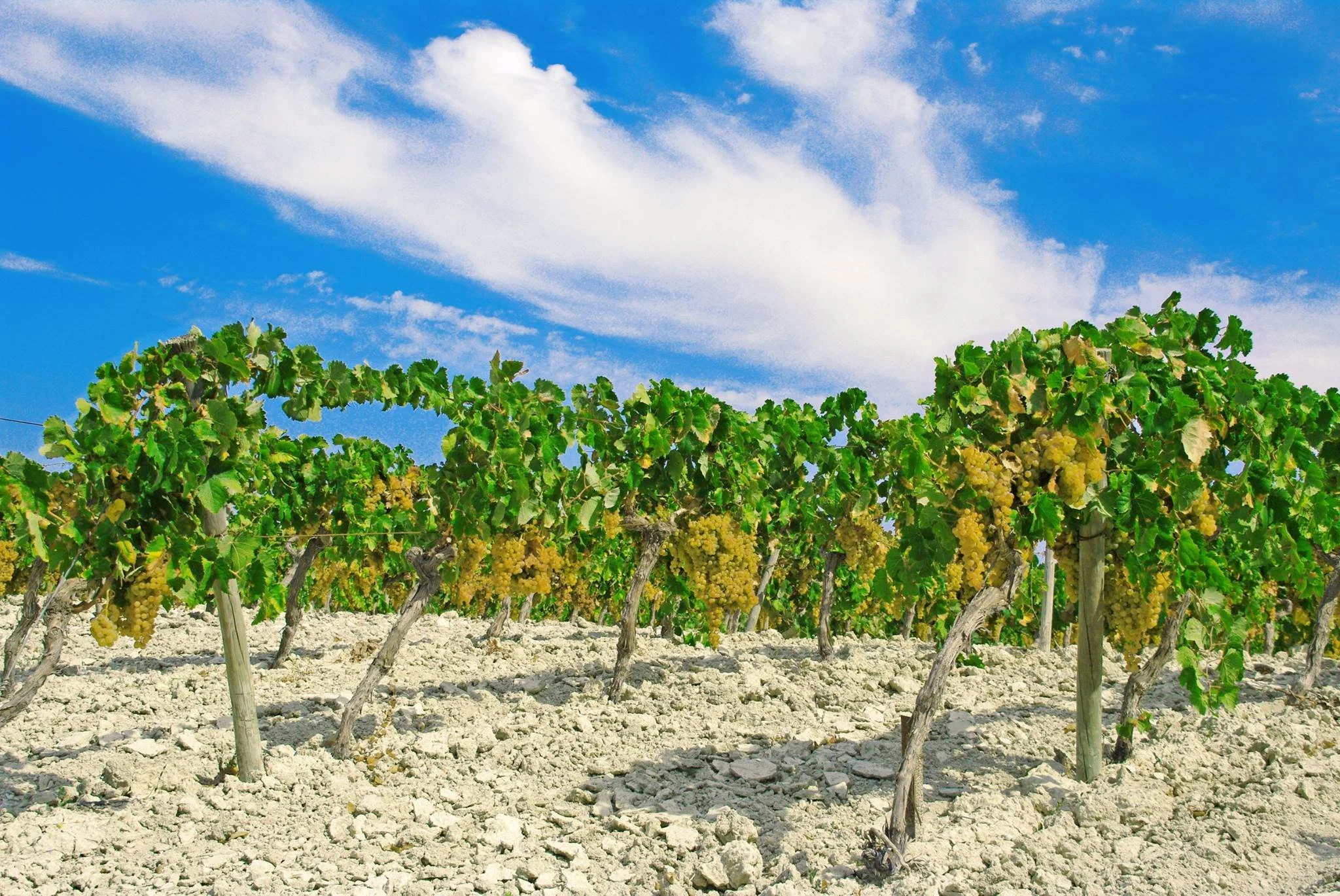
Its soils consist primarily of albariza, the distinctive white chalk-rich soil on which the region's finest vines grow. These limestone soils are of marine origin, formed from the sedimentation of an inland sea that covered the region during the Oligocene period.

A note on enjoying Sherry as Wine
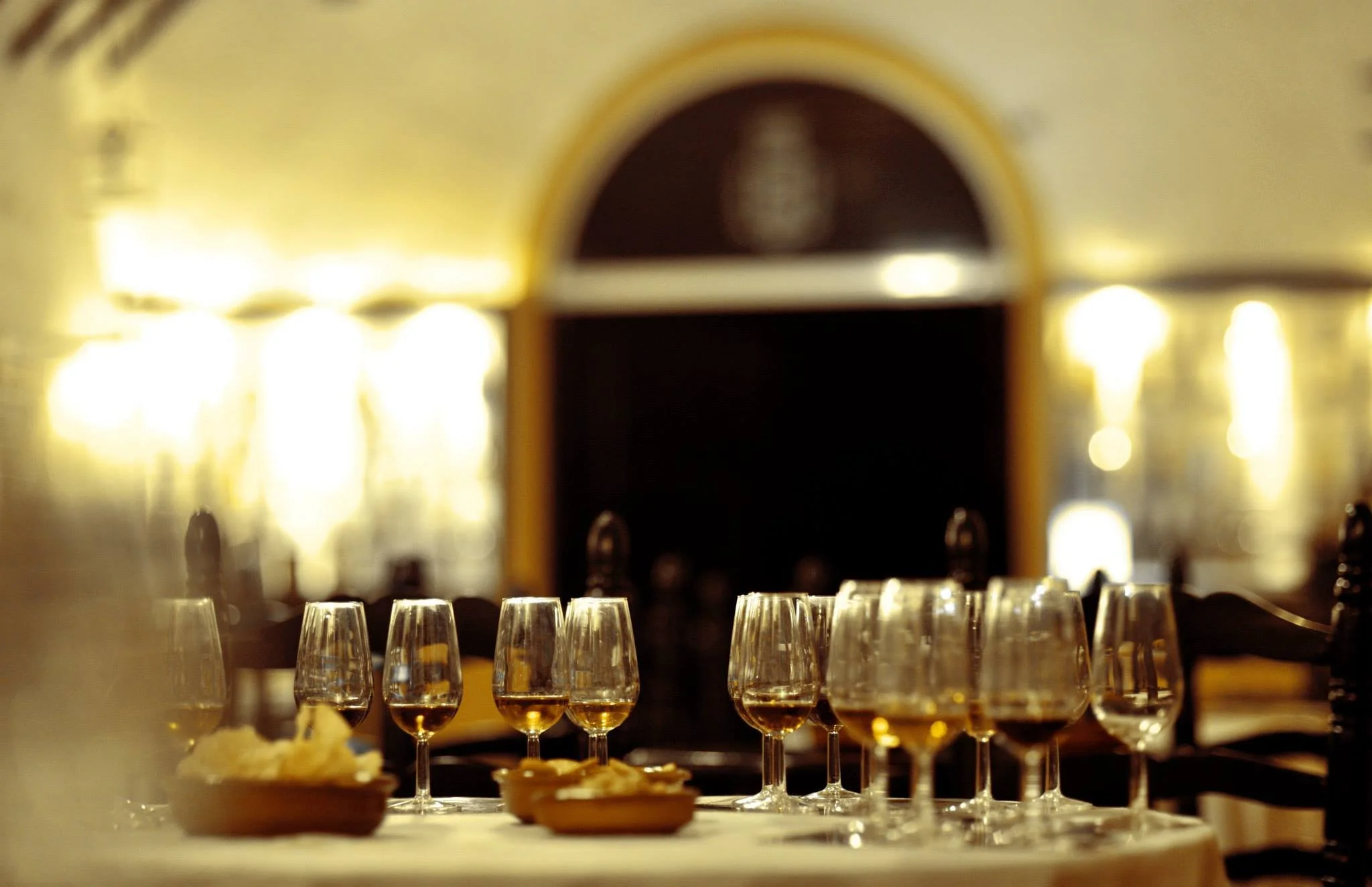
Sherry encompasses one of the wine world's most diverse families of wines. It is typically—and correctly—explained through its production methods (see Spain for more detail), yet understanding how these wines are enjoyed offers an equally rewarding perspective.
Sherries often follow the natural progression of a meal. Fino—aged exclusively under flor—awakens the palate alongside olives, almonds, oysters, gildas and other snacks. As the meal becomes more flavoursome, many drinkers naturally progress to Amontillado, whose combination of freshness from its Fino origins and gentle oxidative complexity makes it an ideal partner for more complex dishes. Fully oxidative styles such as Oloroso accompany hearty meats, spices and deeply savoury cuisine, while Cream Sherry and Pedro Ximénez bring the journey to a close with desserts or strong cheeses.
Experiencing the wines in this order is one of the most intuitive—and enjoyable—ways to appreciate the remarkable diversity of Sherry.
Vinos Generosos: Dry Sherries
El Puerto de Santa María, Marco de Jerez
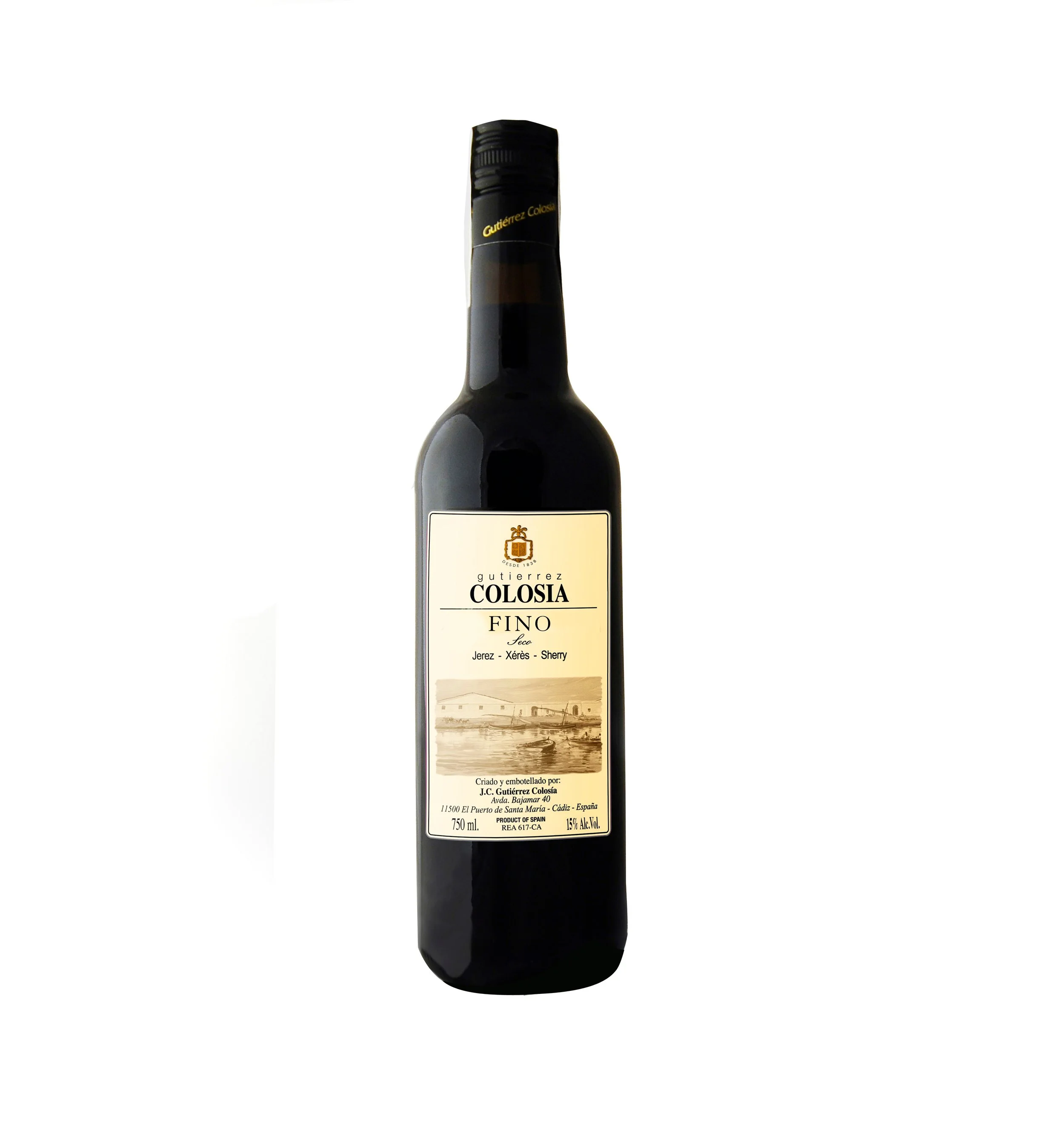
Fino
Palomino Fino: Aged under flor for a minimum of three years; filtered.
Fino means "fine", reflecting the elegant style for which these wines are renowned.
Amongst the more maritime expressions of Fino, Gutiérrez Colosía Fino displays aromas and flavours of sea spray, flor, citrus, green apple and pear, chamomile, almond, hay with hints of bread crust. Refreshing and rounded on the palate, it finishes dry, firm and savoury. A compelling alternative for drinkers of Chablis, Muscadet, Picpoul, Riesling and Chenin Blanc.
One of the great aperitif wines, Gutiérrez Colosía Fino is also remarkably versatile at the table. Its bone-dry profile stimulates the appetite and pairs beautifully with savoury, fatty and delicately flavoured dishes. Serve well-chilled with oysters, sashimi, olives, almonds, fried fish, seafood, Jamón Ibérico and young cheeses.
Fino also excels in stirred cocktails, bringing salinity, freshness and complexity to floral and herbaceous drinks. It pairs particularly well with vermouth, aromatised and fortified wines, sake, white rum, tequila, mezcal, gin and vodka.
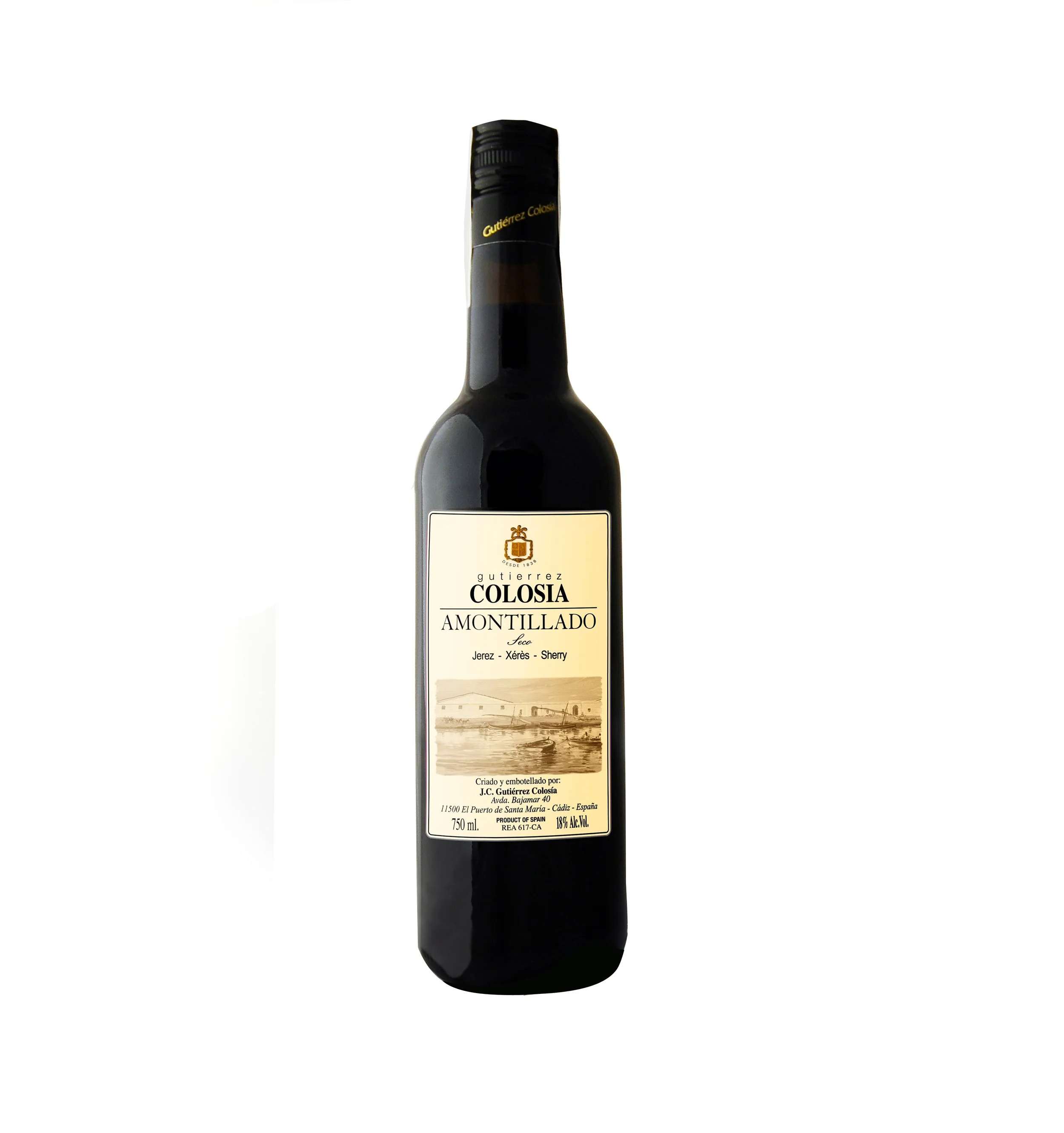
Amontillado
Palomino Fino: Aged under flor for a minimum of three years, then a further five years in barrel; filtered.
Amontillado is often considered one of the most complete and representative styles of Sherry, combining the qualities of both biological and oxidative ageing.
Its origins as a Fino remain clear: salinity, sea spray, lifted flor, fresh fruit and a dry, delicate character. The second ageing stage adds further layers of complexity; with notes of hazelnut, almond, salted caramel, toffee, olive brine and fresh and dried apricot. Medium-bodied and beautifully balanced, it retains the freshness & delicacy of Fino while gaining depth, character and complexity from oxidative ageing.
Serve at 12°C with white meat, tuna tataki, beef consommé, chorizo, medium-aged cheeses or pâté.
Suitable for both stirred and shaken cocktails, Amontillado works beautifully with white or dark spirits including rum, gin, genever and mezcal. It also brings depth and complexity when mixed with bitters, amari, bitter liqueurs and flavours of vanilla, toffee, caramel and warming spices.
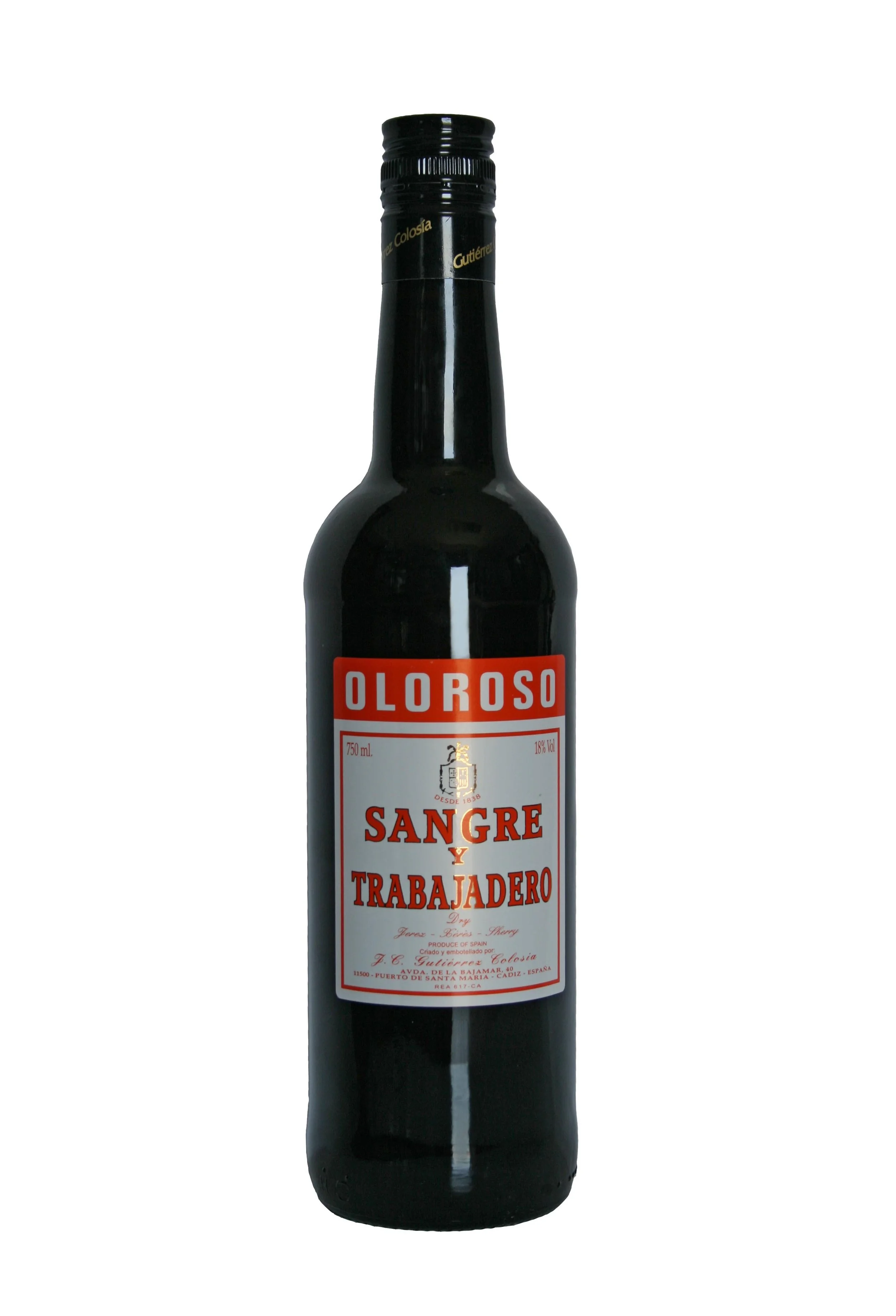
‘Sangre y Trabajadero’ Oloroso
Palomino Fino: Aged for a minimum of five years in barrel; filtered.
Oloroso means "fragrant", referring to the intensely aromatic character of this style of Sherry. Unlike Fino and Amontillado, Oloroso is aged entirely without flor, allowing prolonged oxidative development that creates wines of greater depth, concentration and complexity. Furthermore, Oloroso begins with riper, fuller-structured musts, selected for their ability to develop complexity through oxidative ageing.
‘Sangre y Trabajadero’ is a historic Oloroso originally created by Cuvillo y Cía., one of El Puerto de Santa María’s most respected historic bodegas. Its unusual name tells the story of its origins: Calle Sangre, home to the town's traditional butchers; Trabajadero, on the other hand, refers to the neighbouring cooperages beside the bodega — blood and barrels.
This historic solera continues to be bottled under its original 1980s label, remaining something of an insider's choice among Sherry enthusiasts.
The wine displays classic Oloroso aromas of dried figs, raisins, orange peel, hazelnut, pecan, polished oak and leather, alongside brighter notes of raspberry, quince and a distinctive savoury character associated with wines from El Puerto. Dry yet rounded on the palate, it balances nutty complexity with freshness, showing notes of walnuts, dark chocolate, toasted bread and coffee. Elegant rather than imposing, it finishes dry, bittersweet and beautifully balanced.
As the meal progresses and the palate demands deeper, more savoury flavours, Oloroso comes into its own. Its fully oxidative character pairs beautifully with hearty meats, spices, aged cheeses, charcuterie and deeply savoury cuisine.
Sangre y Trabajadero is also a remarkable cocktail ingredient, particularly with full-bodied and aged spirits. It works beautifully with whisky, bourbon, brandy, Armagnac, aged rum, tequila and mezcal, adding layers of caramel, dried fruit, spice and savoury complexity to spirit-forward cocktails.
Sweet Sherries
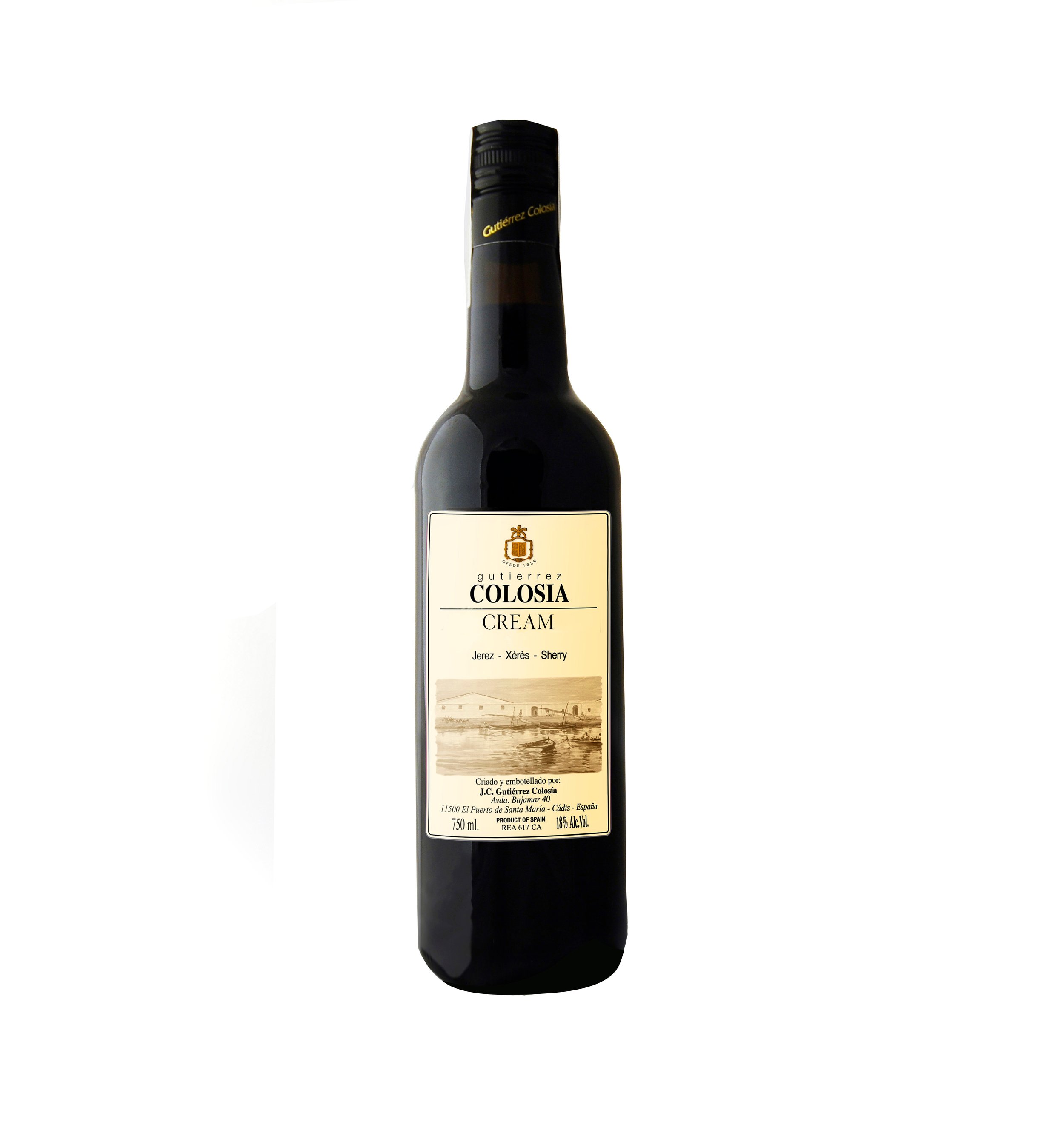
Cream
Palomino and Pedro Ximénez: A Generoso de Licor Sherry, blended from dry Oloroso and Pedro Ximénez (30%); aged for a minimum of four years.
Cream Sherry bridges the worlds of dry and sweet Sherry, beginning with an oxidative base of Oloroso before being blended with Pedro Ximénez. Pedro Ximénez contributes natural sweetness, texture and roundness, while preserving the savoury complexity developed through oxidative ageing. This is the Sherry your grandmother loved — and she was onto something. Today, a new generation of drinkers is rediscovering its incredible versatility.
Gutiérrez Colosía Cream displays the character of Oloroso — salty roasted nuts and herbs — alongside richer flavours of nougat, caramel, raisins, dates, golden sultanas, dried quince, fresh fig and warming spices. Full-bodied yet velvety, it balances sweetness with savoury depth, freshness and structure.
Cream is best enjoyed after the savoury courses of the meal. Serve chilled at 10–12°C with fruit salads, apple pie, pastries, crème brûlée, mousse au chocolat, foie gras, mature cheeses or simply alongside coffee.
It is also an excellent cocktail ingredient, adding flavour, texture, richness and structure. It works particularly well with aged bourbon, Scotch, brandy and rum, as well as cocktails featuring flavours of caramel, nuts, baking spices and dried fruit.
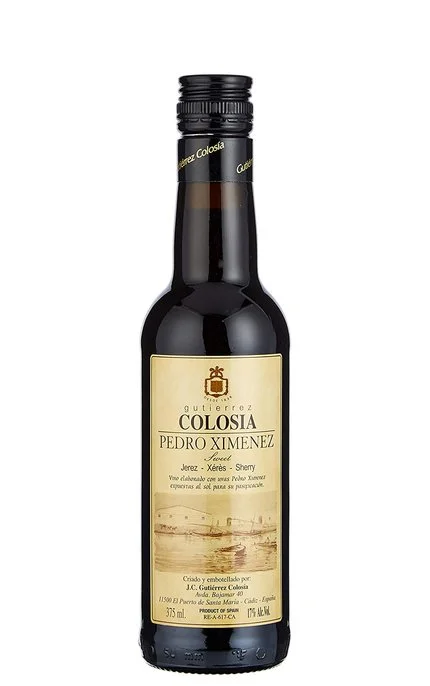
Pedro Ximénez
Pedro Ximénez: A Dulce Natural Sherry.
Pedro Ximénez — a white grape variety that produces dry, fresh, fragrant wines full of stone fruit — is harvested at extreme ripeness, containing around 300 grams of sugar per litre. The grapes are then dried under the Andalusian sun through the traditional asoleo process, concentrating their sugars to around 450–500 grams per litre before pressing. The result is one of the world’s most naturally concentrated sweet wines, with around 350 grams per litre of residual sugar in the finished wine, delivering remarkable intensity while retaining balance and freshness.
Gutiérrez Colosía Pedro Ximénez offers richness without excess weight, displaying aromas of dates, raisins, dried figs, candied fruits, plum jam, honey-coated almonds and walnut cake, leading into flavours of molasses, treacle and sticky toffee pudding. Velvety and intensely sweet, yet balanced by freshness and a gentle peppery, liquorice character, it finishes with elegance rather than heaviness.
A perfect match for dark chocolate, ice cream, desserts, blue cheeses and other strong cheeses, Pedro Ximénez is also captivating served on its own in a small glass.
Pedro Ximénez is an exceptional cocktail ingredient. It works beautifully with aged rum, tequila and brandy, and is particularly effective in classic cocktails such as the Old Fashioned. Used in place of syrups, PX adds sweetness alongside layers of dried fruit, spice and texture — delivering greater complexity with less preparation.
Vinegar
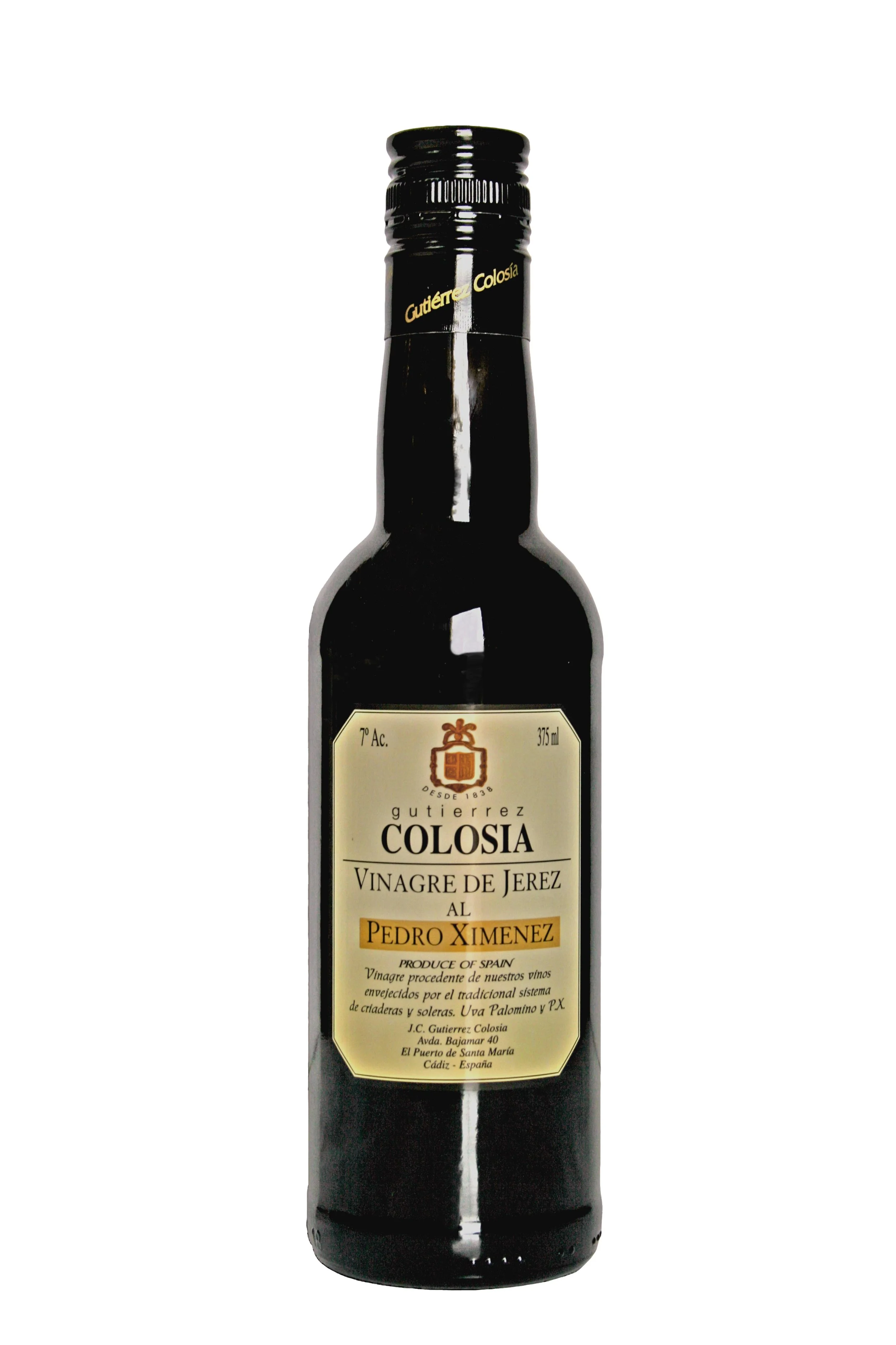
Vinagre de Jerez al Pedro Ximenez
Palomino Fino & Pedro Ximénez
Produced from wine aged through the traditional criaderas and solera system, this PX Sherry Vinegar captures the depth and complexity of Andalusia’s historic Sherry culture. The combination of Palomino and Pedro Ximénez brings together the savoury character of aged Sherry with the natural richness and concentration of PX.
Intense yet balanced, it displays flavours of dried fruits, figs, raisins, nuts, caramel and spice, with refined acidity and a distinctive fig-like sweetness. Elegant and versatile, it adds depth, freshness and complexity across both savoury and sweet applications.
Ideal for drizzling over desserts, creating refined vinaigrettes, finishing sauces and deglazing savoury meat pans, it is particularly suited to dishes featuring foie gras, duck, pork, aged cheeses, roasted vegetables, fruit and chocolate. A few drops can transform a dish, adding precision and complexity.