
Celler del Roure
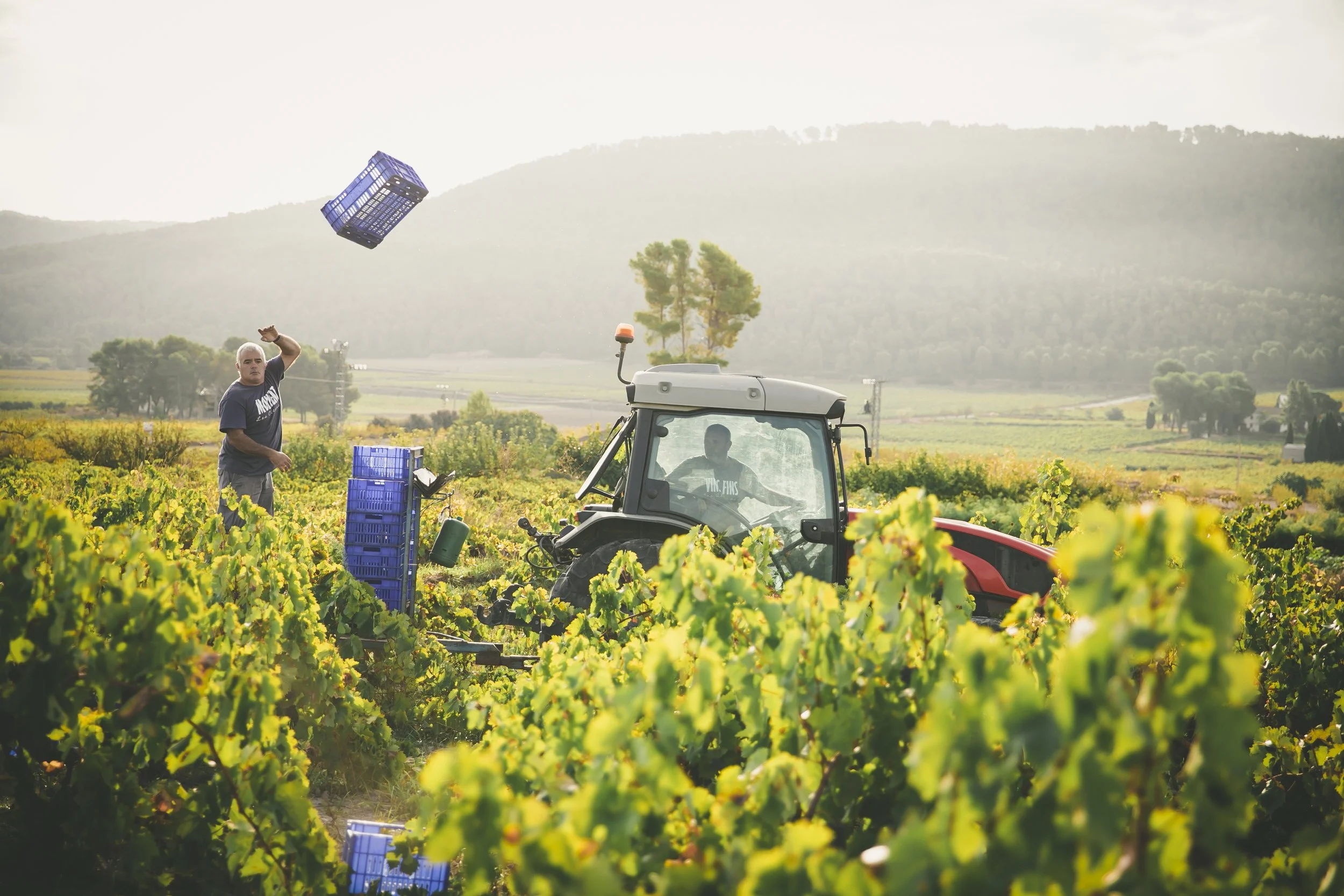
In 1996, Pablo Calatayud and his father founded Celler del Roure beneath the Sierra La Solana near Moixent, about an hour southwest of Valencia. In line with what was in fashion (and arguably economically sage) with most Spanish producers at the time; Celler del Roure produced wines from French and Spanish varieties such as Chardonnay, Cabernet, Merlot & Tempranillo in the Robert Parker mold: Judicious use of oak, high alcohol, and highly extracted tannins.
However, once they looked at what was around them, underfoot and at the history of their site, they embarked on a viticultural revival. With 2,400 years of winemaking history prior to their project, they saw a path that focused on using native varieties, locally distinct vinification practices and embracing their specific terroir to produce wines with fresher, less extracted styles.
The first step was Pablo’s rediscovery of the local red variety Mandó, that a neighbouring grower was using to make table wines for his home consumption. Mandó ripens early, allowing it to be picked early to retain the freshness that Pablo sought. Given the high temperatures in the area, this was a key discovery, and Pablo began grafting Mandó over the vines of the foreign varieties that were previously planted.
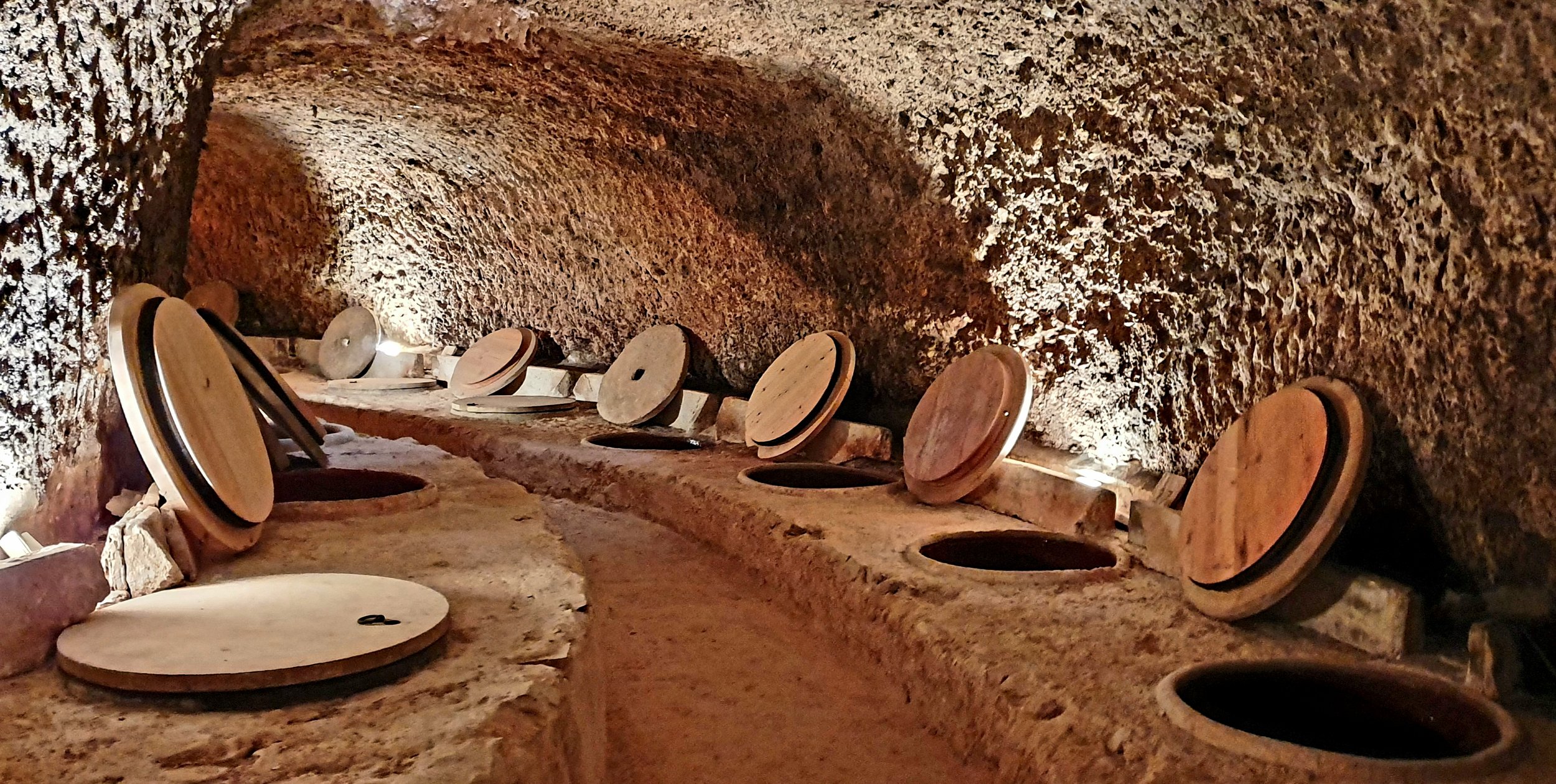
A second property was purchased in 2006. As well as already being under vine, the property had an ancient underground cellar with over 100 tinaja, clay amphora that were always used in the area to vinify wine - apart from in the 20th century (there is a similar story in most wine regions of Spain) - and Pablo was keen to revive this practice, which was perfected suited to their aims. These tinaja impart no flavour and retain freshness, while allowing the wine to mature just as they do in an oak barrel.
Further investigations into local varieties were made, with the late-ripening variety Arcos being added. Expressing the delicacy and pretty floral nature of Nebbiolo, Arcos is the perfect match Mandó’s fruit and earth-forward nature. Monastrell y Cariñena (aka Mourvedre & Carignan) were also embraced as local pillars.
For the whites, local varieties Verdil, (beautiful, golden colour and apples, gentle viscosity) Tortosí (good acid, ageabiltity, orchard fruit) and Merseguera (noted for its body and herbacious, almond-like profile) are blended with regional grapes Macabeo, Malvasía, Pedro Ximénez & the princely Santorini variety, Assyrtiko. While this may seem at odds with the local focus, their perspective is that they are Valencian first, next Mediterranean, & Spanish last..
The varieties and approach in the cellar are perfectly suited to their terroir: 600m elevation, fine, sandy soils that deliver freshness. Being incredibly high draining soil, the vines must plunge the depths to find the nutrients they need, allowing for highly concentrated flavour profiles.
Celler del Roure’s identity is now firmly rooted in cultural revival: the restoration of ancient amphorae, the recovery of nearly lost native varieties, and a renewed expression of Valencia’s deep viticultural past. Pablo’s vision is supported by an excellent team, with Paco leading the way in the cellar and Ferrero in the vineyards. The future is bright in Moixent, and available to enjoy in New Zealand.
Els vins…
…the wines

2023 Cullerot
Varieties: 50% Macabeo; 50% Tortosí, Verdil, Merseguera, Malvasía, Pedro Ximénez & Asirtiko.
Cullerot means tadpole in Valencian (similar, but different to Catalan), referring to the nascent stage and re-birth of their indigenous white varieties and a “small” white wine that wants to grow.
Cullerot has served as a test case and a means to study the effect of tinaja on their wines, to which it has been kind.
“Purity and freshness, a lot of freshness. Just what we needed”.
Grown on mainly sandy soils at 600m elevation on both their own relatively young (10-20 years) and others’ old vineyards, to who they pay to produce well and at low yields.
Grapes are destemmed, maceration time depends on the variety and soil it is grown on, but averages four hours. Fining is done via cold settling only, fermentation is finished in underground 2500L tinaja amphorae, where the wine remains to age.
This is an exceptional Mediterranean white wine. Macabeo & Tortosí bring the body, fruit and elegance of chardonnay; Malvasia acid, minerality & stone fruit; Verdil colour, yellow apples and texture; Merseguera herbs and almonds, Asirtiko texture, acid and citrus. All around, amazing texture, acid, long length, citrus and stone fruit.
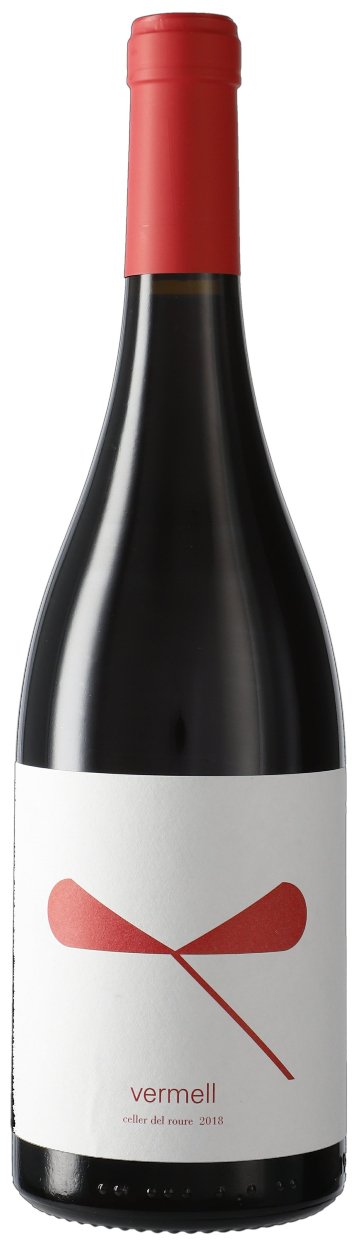
2024 Vermell
Varieties: 70% Mandó and 30% Arcos.
Vermell means red in Valencian, and carries the stylised image of a dragonfly along with other wines from Celler del Roure’s ancient range.
Previously, varieties outside of Valencia where required to make this wine, but since 2023 they have been able to make Vermell solely with Mandó & Arcos. The former offers bright red berries & a touch of earth, the latter lifted pink and red floral notes. Light, juicy; pure and simple.
This wine is fresh, makes one salivate and unforgivingly moreish. Unmistakably Mediterranean in character, the grapes for Vermell sit on sandy soil at 600m elevation. The grapes are vinified wild and separately in stainless steel, with part being fermented with whole clusters.
Post-malolactic fermentation and blending, the wine is matured in 2,800L tinaja amphorae underground clay jars for four months. It’s light and more elegant, perfect on a warm day as a aperitivo with charcuterie, steak tartare and cheese.
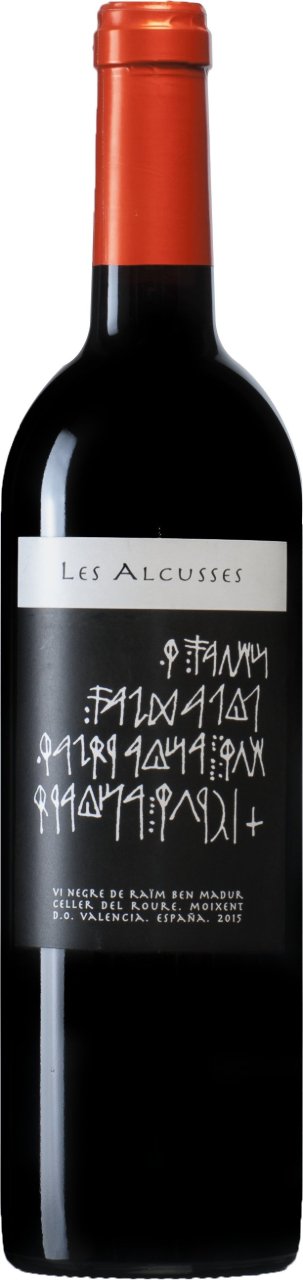
2023 Les Alcusses
Varieties: 60% Monastrell, 30% Cariñena, 10% Syrah & Petit Verdot.
Les Alcusses is named after a major Iberian settlement dating from the 5th-4th centuries BC within which Celler del Roure is located; more specifically in a small hanging valley at the foothills of the La Bastida mountain. In the mountain caves ancient Iberian script (not dissimilar in appearance to Viking Runes) are still found today. This site is as significant to Valencia as Pompei is to Italy.
To the wine: Les Alcusses was Celler del Roure’s first ever, initially made in the year 2000, and is one of their classic range. It has always been based on the Mediterranean varieties Monastrell & Cariñena, along with 50% or more of French & Spanish “improvers” like Cabernet Sauvignon & Tempranillo. As with their other wines, they have reduced the reliance on foreign varieties as they cultivated more local vines.
Les Alcusses now has a freshness and elegance alongside its historically big, bold, deep, ripe and fruity character. Complex and powerful, it matures nicely in oak, and spends 12 months in French oak and foudre.
Once picked from the vines on limestone with sandy loam and clay, the grapes are macerated in stainless steel for 12 days before gentle pneumatic pressing. Malolactic fermentation takes place in the tank, and lees are worked to add complexity to the wine.
Les Alcusses can be found in many Valencian (and with some luck, NZ!) restaurants owing to it its incredibly quality and value for money.